How to Land Your First IIoT Software Engineer Job (Without a Factory Floor)
A practical roadmap to landing your first IIoT software engineer role—covering Python, SQL, Node-RED, Raspberry Pi hardware projects, and free training from Inductive Automation and HighByte.
Breaking into Industrial IoT (IIoT) as a software engineer can feel like a chicken-and-egg problem. Job descriptions ask for experience with SCADA systems, industrial protocols, and plant-floor data pipelines—things you rarely encounter in standard web or mobile development bootcamps.
The good news is that the barrier to entry has never been lower. Unlike traditional PLC programming, which often requires expensive proprietary hardware and licensed software, almost the entire modern IIoT software stack can be learned at home for free—and practiced on affordable hardware like a Raspberry Pi.
Here is a practical roadmap of the exact stack to learn, the free vendor resources to use, and how to turn weekend experiments into your first IIoT software engineering job.
1. The Core Software Stack: Python, SQL, and Protocols
Before diving into industrial platforms, you need solid fundamentals in the two languages that glue nearly every IIoT system together:
- Python: Python is the workhorse of IIoT edge computing and data engineering. Focus on writing clean scripts that poll devices, parse JSON payloads, and handle network retries gracefully. Get comfortable with libraries like
paho-mqtt(for MQTT messaging),asyncua(for OPC UA),pymodbus(for Modbus TCP/RTU), andFastAPIfor building lightweight edge microservices. - SQL & Time-Series Data: Every factory runs on data—both relational and time-series. Learn PostgreSQL (or SQLite for edge prototyping) to model asset hierarchies, work orders, shifts, and alarm logs. Write
JOINs, window functions, and indexes confidently. Then explore time-series concepts (such as TimescaleDB or InfluxDB) to understand how high-frequency sensor telemetry is stored, downsampled, and queried efficiently. - Industrial Protocols: You do not need to memorize every byte frame, but you should know how Modbus TCP, OPC UA, and MQTT (especially Sparkplug B) work, and why factories use publish/subscribe architectures instead of polling everything over REST APIs.
2. Low-Code Edge Integration with Node-RED
In real-world factories, you will constantly encounter brownfield equipment—older machines that need a lightweight bridge to send data to modern databases or cloud brokers. That is where Node-RED shines.
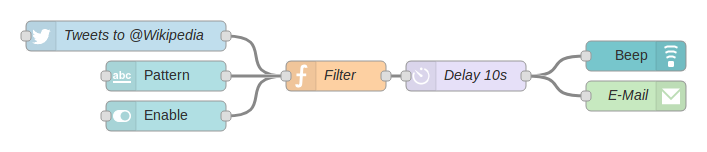
Originally developed by IBM and now part of the OpenJS Foundation, Node-RED is a browser-based, flow-based programming tool that runs effortlessly on edge gateways, Docker containers, and Raspberry Pis. Hiring managers love seeing Node-RED experience because it shows you can prototype and deploy integrations rapidly.
Practice building flows that:
- Read simulated or real sensor data via Modbus or serial nodes.
- Transform and normalize JSON payloads inside JavaScript
Functionnodes. - Publish structured messages to an MQTT broker (like Mosquitto or EMQX) and write records into a SQL database.
3. Learn Enterprise IIoT Platforms Using Free Vendor Resources
One of the biggest mistakes aspiring IIoT engineers make is only building toy scripts from scratch. In production, system integrators and manufacturers rely on specialized industrial platforms. Fortunately, two of the most widely adopted platforms in the industry offer exceptional free learning paths:
Inductive Automation (Ignition SCADA)
Ignition has become a cornerstone of modern SCADA, HMI, and MES architectures—and Python (Jython) and SQL are embedded throughout it.
- Free Training: Sign up for Inductive University, a completely free, self-paced video curriculum covering Ignition's architecture, tag historians, SQL bridge modules, Perspective web UIs, and Python scripting. Completing it earns you a free Inductive University Credential you can put on your resume and LinkedIn.
- Hands-On Practice: You can download and run Ignition locally for free using its resettable 2-hour trial mode (or Ignition Maker Edition for personal projects) to build real dashboards and practice scripting against a local SQL database.
HighByte (Industrial DataOps)
As companies move toward Unified Namespace (UNS) architectures and industrial AI, Industrial DataOps tools like HighByte Intelligence Hub are in high demand to model, contextualize, and standardize raw OT data before it reaches the cloud.
- Free Training: Work through HighByte's free Zero to Pipeline video introduction series, which walks through connections, JSON modeling, dynamic parameterization, namespaces, and building data pipelines.
- Hands-On Practice: You can download HighByte Intelligence Hub and run it locally or as a Docker container using their free, resettable 2-hour trial to practice turning raw tag streams into clean, contextualized Unified Namespace payloads.
4. Get Your Hands Dirty: Hardware Experimentation with Raspberry Pi
Software-only developers often struggle in IIoT interviews when asked about physical constraints: noisy signals, lost network connections, polling rates, or hardware interfaces. Buying a Raspberry Pi (even an older model or a Raspberry Pi Zero/Pico) and a basic sensor kit bridges that gap immediately.
Try building an end-to-end "mini factory" on your desk:
- Wire a physical sensor (such as a DHT22 or BME280 temperature/humidity sensor, or a simple push-button/relay) to the Raspberry Pi's GPIO, I2C, or SPI pins.
- Collect the telemetry using a Python script or Node-RED running directly on the Pi.
- Publish & Model: Send the readings over MQTT to a local broker, contextualize the payload with HighByte Intelligence Hub or ingest it into Ignition, and log it to PostgreSQL/TimescaleDB.
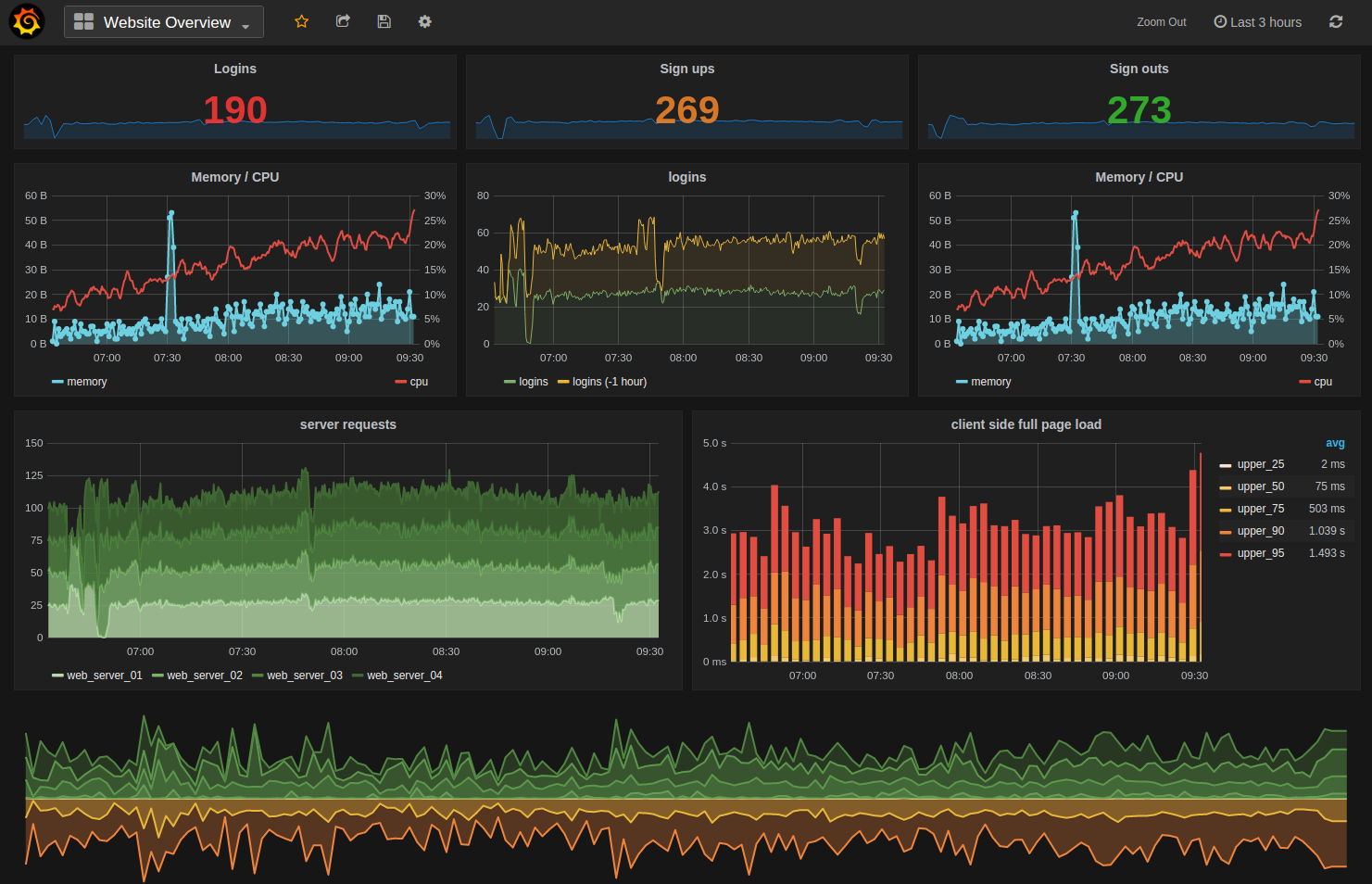
- Visualize & Alert: Build a live dashboard in Grafana or Ignition Perspective that tracks temperature trends and triggers an alert when a threshold is crossed.
When an interviewer asks about your experience, walking them through a physical sensor-to-database pipeline you wired, containerized, and debugged yourself sets you apart from 90% of applicants.
5. Package Your Lab and Apply
Once you have built one or two end-to-end projects, treat them like production deliverables:
- Put them on GitHub with a clear
README.md, an architecture diagram, and adocker-compose.ymlso anyone can spin up your stack. - Record a 2-minute demo video showing your Raspberry Pi, your Node-RED or Ignition screen, and live SQL queries updating in real time.
- Highlight the right keywords on your resume: Python, SQL, MQTT, OPC UA, Node-RED, Ignition, Unified Namespace (UNS), Docker, Linux.
When you are ready to start applying, browse the latest open roles on IIoTjob—you will find system integrators, manufacturers, and industrial software vendors actively looking for engineers who understand both code and the physical world.
Image Credits & Open Source Licensing:
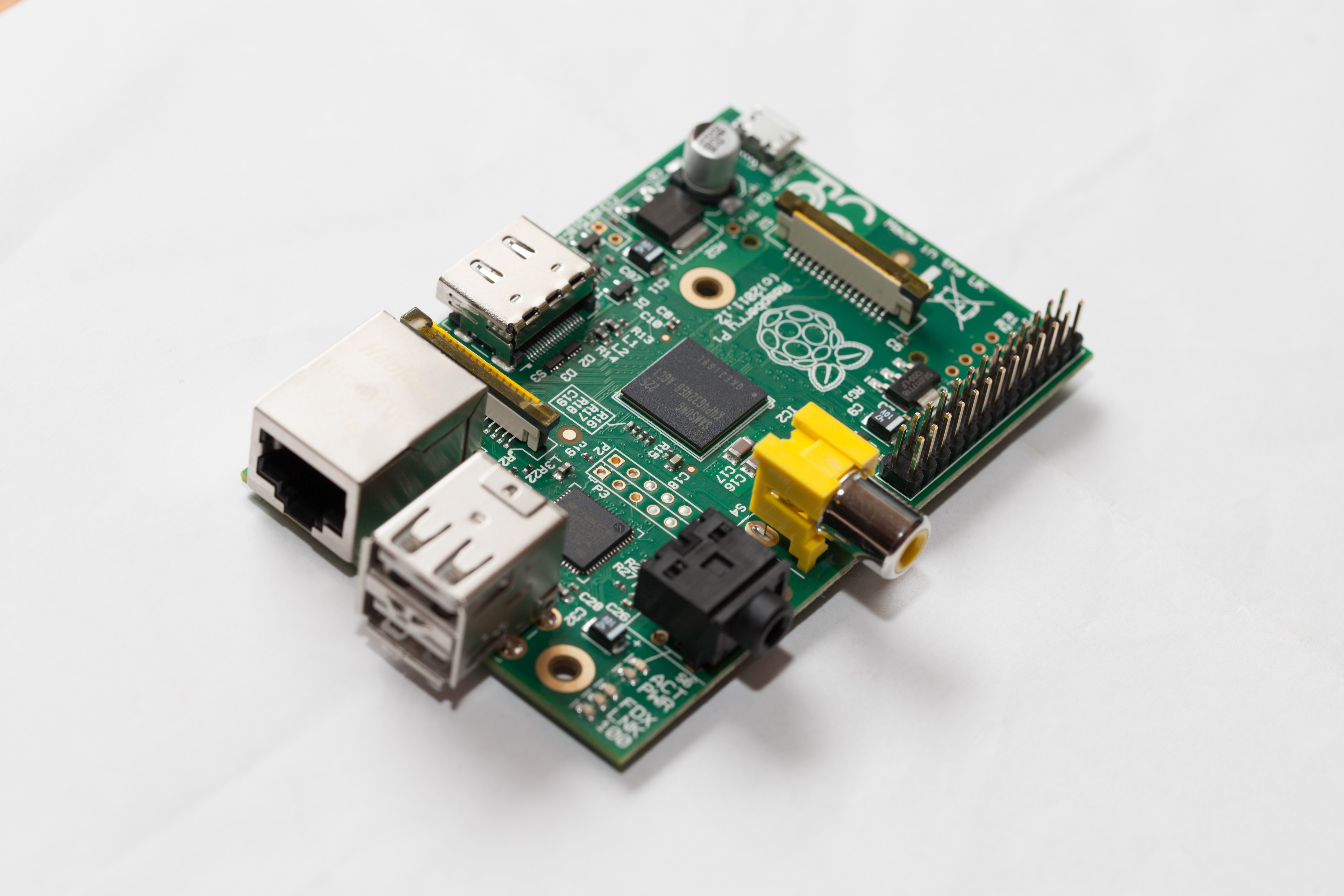
- Featured Header: Raspberry Pi development board for edge computing and GPIO prototyping. Photo: Ilikeasking (CC BY-SA 3.0).
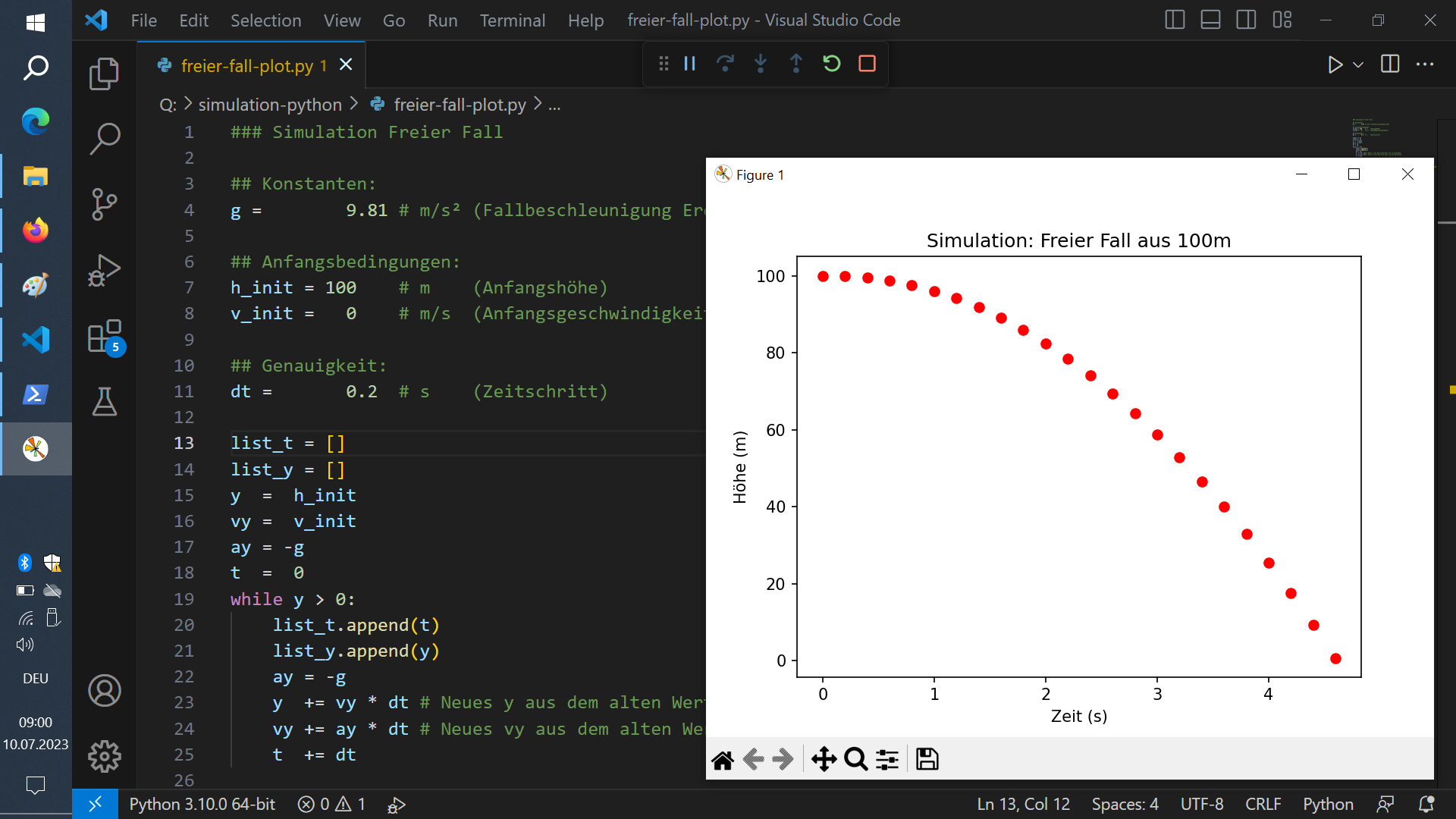
- Python Code & Data Visualization: Image by MikeRun (CC BY-SA 4.0).
- Node-RED Flow Editor: Image by 1-Byte (CC BY-SA 4.0).
- Grafana Dashboard: Screenshot by Linux Screenshots (CC BY 2.0).