PostgreSQL 14 Reaches End of Life Today: What It Means for Production & TimescaleDB Historians
PostgreSQL 14 reaches End of Life today, November 12, 2026. Here is why it matters for production systems—and what teams running TimescaleDB as a process historian need to watch for when upgrading.
Today, November 12, 2026, PostgreSQL 14 officially reaches End of Life (EOL). From today forward, the PostgreSQL Global Development Group will no longer ship security patches, CVE fixes, or bug updates for the 14.x branch.
Your production databases will not suddenly shut down tomorrow morning. However, in both enterprise IT and Industrial IoT (IIoT) environments, running an unsupported database engine changes your risk profile overnight.
Why PostgreSQL 14 Became a Production & IIoT Staple
When PostgreSQL 14 launched five years ago, it quietly introduced several features that became foundational for modern backend systems and industrial data platforms:
- Fixed-Interval Bucketing with
date_bin(): Essential for aligning irregular sensor and PLC timestamps into uniform time buckets without complex math. - Recursive CTE
SEARCHandCYCLEClauses: Made traversing hierarchical data—such as ISA-95 asset trees, equipment dependencies, and bills of materials—far cleaner and safer against infinite loops. - Multirange Types: Allowed non-contiguous intervals (like machine uptime windows, shift schedules, or maintenance blocks) to live in a single column (
int4multirange(int4range(1,3), int4range(5,8))). jsonbSubscripting (data['user']['id']): Simplified querying semi-structured MQTT and REST payloads directly in SQL.libpqPipeline Mode: Enabled high-throughput clients to batch multiple queries before waiting for round-trip results, boosting edge-to-database ingestion.- Deeper Observability & Storage Resilience: Views like
pg_stat_wal,pg_stat_progress_copy, andpg_stat_replication_slots, top-level vs. nested tracking inpg_stat_statements, reduced B-tree index bloat, and more aggressive anti-wraparoundVACUUMbehavior kept high-write systems healthier under load.
Because PG 14 was so solid, many teams deployed it and never looked back. That stability is precisely why so many production instances are still running it today.
What EOL Means for Production Systems
- Unpatched Vulnerabilities & Compliance Exposure: Every CVE discovered after November 12, 2026, will remain open on PostgreSQL 14 servers. For industrial teams operating under IEC 62443, EU NIS2, FDA 21 CFR Part 11, or strict IT/OT security audits, running an EOL database is an immediate compliance finding.
- Ecosystem & Tooling Drift: Linux distributions, container base images, connection poolers, and third-party extensions steadily drop support for EOL major versions. Waiting until an urgent security incident forces a multi-version jump is much riskier than planning a controlled upgrade now.
- Where to Upgrade: Rather than stopping at PostgreSQL 15 (which reaches EOL in November 2027), most production teams should target PostgreSQL 16 (supported until November 2028), 17 (November 2029), or 18 (November 2030) to maximize their operational runway.
Special Considerations for TimescaleDB Process Historians
In industrial automation and IIoT, PostgreSQL is rarely just an application database—it is frequently the engine behind TimescaleDB acting as a plant-floor process historian.
If you rely on TimescaleDB to store high-frequency PLC, SCADA, or MQTT telemetry, upgrading off PostgreSQL 14 requires extra care:
- Extension Coupling & Stepped Upgrades: Because TimescaleDB is a PostgreSQL extension, its binaries are tightly coupled to the PostgreSQL major version. As outlined in the TimescaleDB PostgreSQL upgrade documentation, you often need to upgrade TimescaleDB to the latest compatible release on PG 14 first, perform the PostgreSQL major upgrade (
pg_upgrade), and then update the TimescaleDB extension again on the target version. - Compressed Hypertables & Continuous Aggregates: Process historians often hold terabytes of compressed chunks and materialized continuous aggregates. Always test
pg_upgrade(ideally using--linkmode for large data directories) against a full snapshot or fork of production so you know your exact cutover downtime before scheduling a plant maintenance window. - Buffer Edge Ingestion During Cutover: Major PostgreSQL upgrades require brief downtime. Before starting, ensure your edge gateways—whether Node-RED, Ignition store-and-forward, HighByte Intelligence Hub, or custom Python collectors—have sufficient local disk buffering so no process telemetry is lost while the historian is offline.
- Verify Downstream Dashboards & Queries: After upgrading on a staging clone, replay top queries from
pg_stat_statementsand verify that Grafana, Ignition, and reporting jobs behave identically.
Next Steps
If you still have PostgreSQL 14 running in production—or powering an industrial historian—treat today as your deadline to inventory those instances, test a stepped upgrade path to PostgreSQL 16–18 in staging, and schedule your cutover window.
Image Credits & Open Source Licensing:
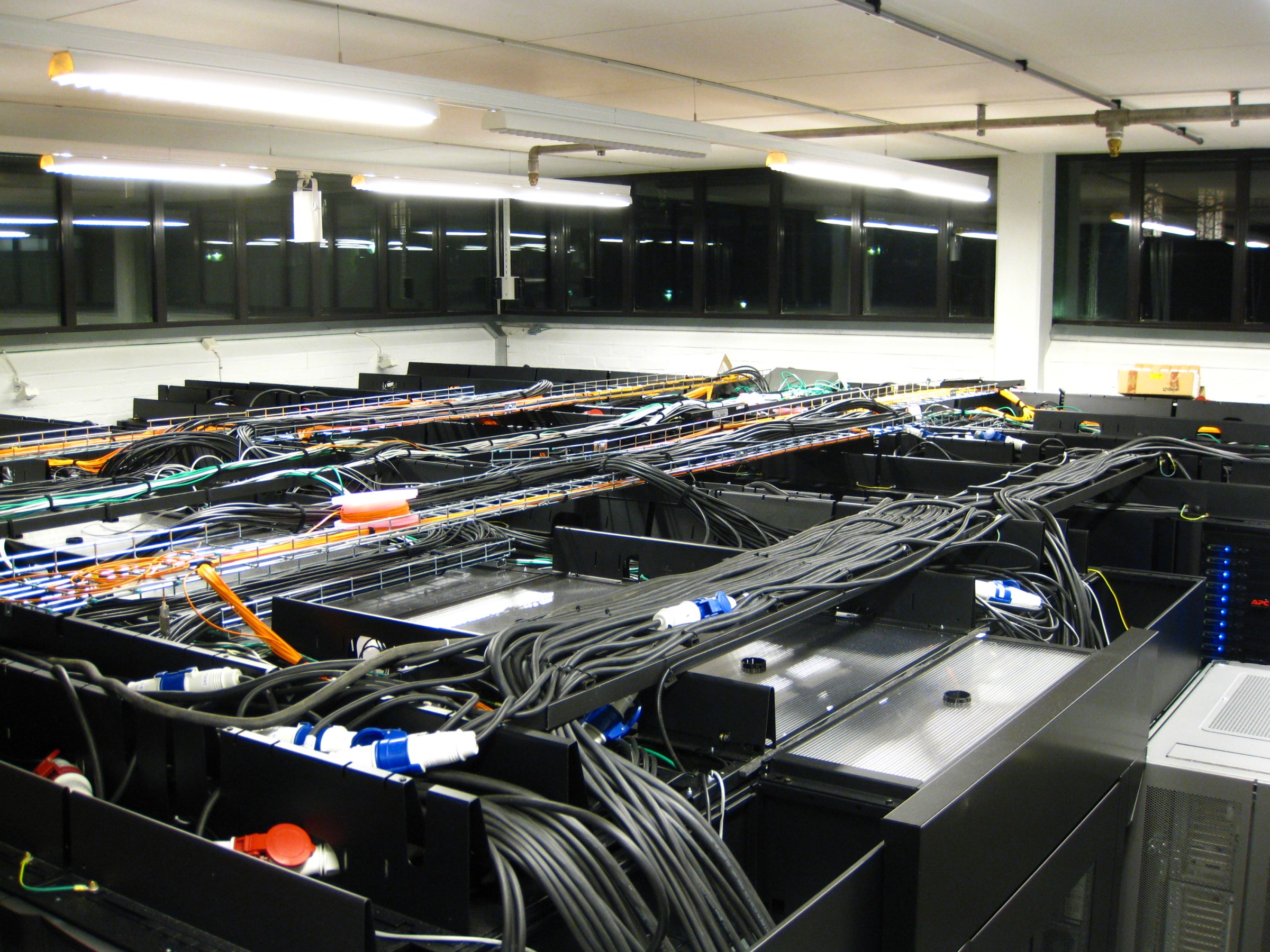
- Featured Header: Server racks and cabling at the KTH Parallel Computer Center. Photo: Royal Institute of Technology (CC BY-SA 3.0).
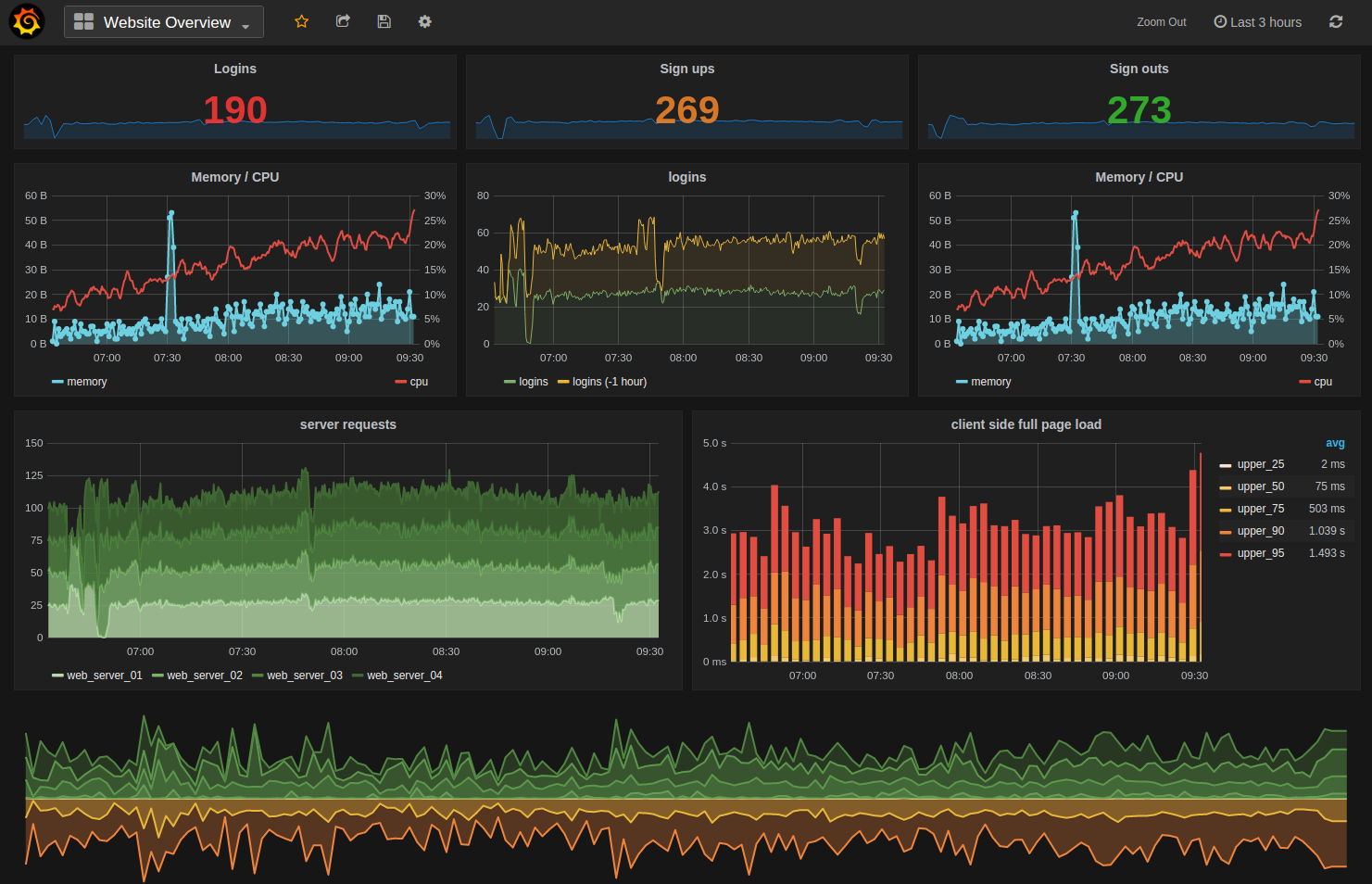
- Time-Series Dashboard: Grafana monitoring dashboard. Screenshot: Linux Screenshots (CC BY 2.0).