Why IIoTjob exists
Industrial automation, OT and IIoT careers are a small world with big consequences, and general job boards were never built for it. Here is why IIoTjob exists and what it does differently.
Some work is easy to find a job in. Search for "software developer" and a hundred boards will show you a thousand listings.
Now try finding a role for someone who commissions a DCS, tunes a batch process, secures an OT network, or designs the data path between a plant floor and the cloud. It is a small world. It is also the world that keeps water running, medicines being made, food on the shelves and the power on, mostly without anyone noticing.

A small field with big consequences
Control engineers, automation specialists, commissioning and field service engineers, MES and SCADA people, OT security specialists, and the solutions architects who connect a plant to the data platform: there are not many of us, and we are spread across the world. Much of what we know is learned on the job, one vendor's system at a time.
That is exactly why finding the right job, or the right person for one, is harder than it should be.
The problem with general job boards
On a general job board, a role for a process control engineer sits between a thousand unrelated listings. The title may just say "Engineer II". The skills that actually matter, such as OPC UA, MQTT, DeltaV, PCS 7, ISA-88, IEC 62443 or GAMP 5, are buried in the description, if they appear at all. And the things a person needs to know before applying are often missing or vague: where the work is, whether it can be done remotely, what kind of contract it is, whether the employer sponsors visas, and what it pays.
I built IIoTjob to fix that.
What IIoTjob does differently
- Skills, not keywords. Pick the skills you have, from control systems and historians to edge and IIoT, MES and OT security, and see the roles that match them.
- The facts up front. Every listing states the location, whether the work is on site, hybrid or remote, the type of contract, visa sponsorship and relocation support, and the salary when the employer shares it.
- Your market. Filter by the markets you know, from pharma and oil and gas to automotive, power and foundry.
- More than jobs. Company profiles for end users, vendors, integrators and consultancies, with their partners; events and trade fairs; and trainings.
- Free. Browsing is free, and so is posting a job.

Global by design
Projects in our field cross borders all the time: a plant built in one country, a vendor in another, an integrator who commissions it somewhere else, remote support from a fourth. So location, remote region and visa sponsorship are part of every listing, not an afterthought.
Kept useful
Listings are reviewed before they appear, so the board stays about the work it is meant for. A listing expires after 60 days unless its poster chooses otherwise, so old roles do not pile up.
What comes next
If you are hiring, post a role. If you are looking, browse the open roles, or see what is coming up in events and trainings. If you know someone in this field, send them the link.
The field is small, and that is exactly why it deserves a place of its own.
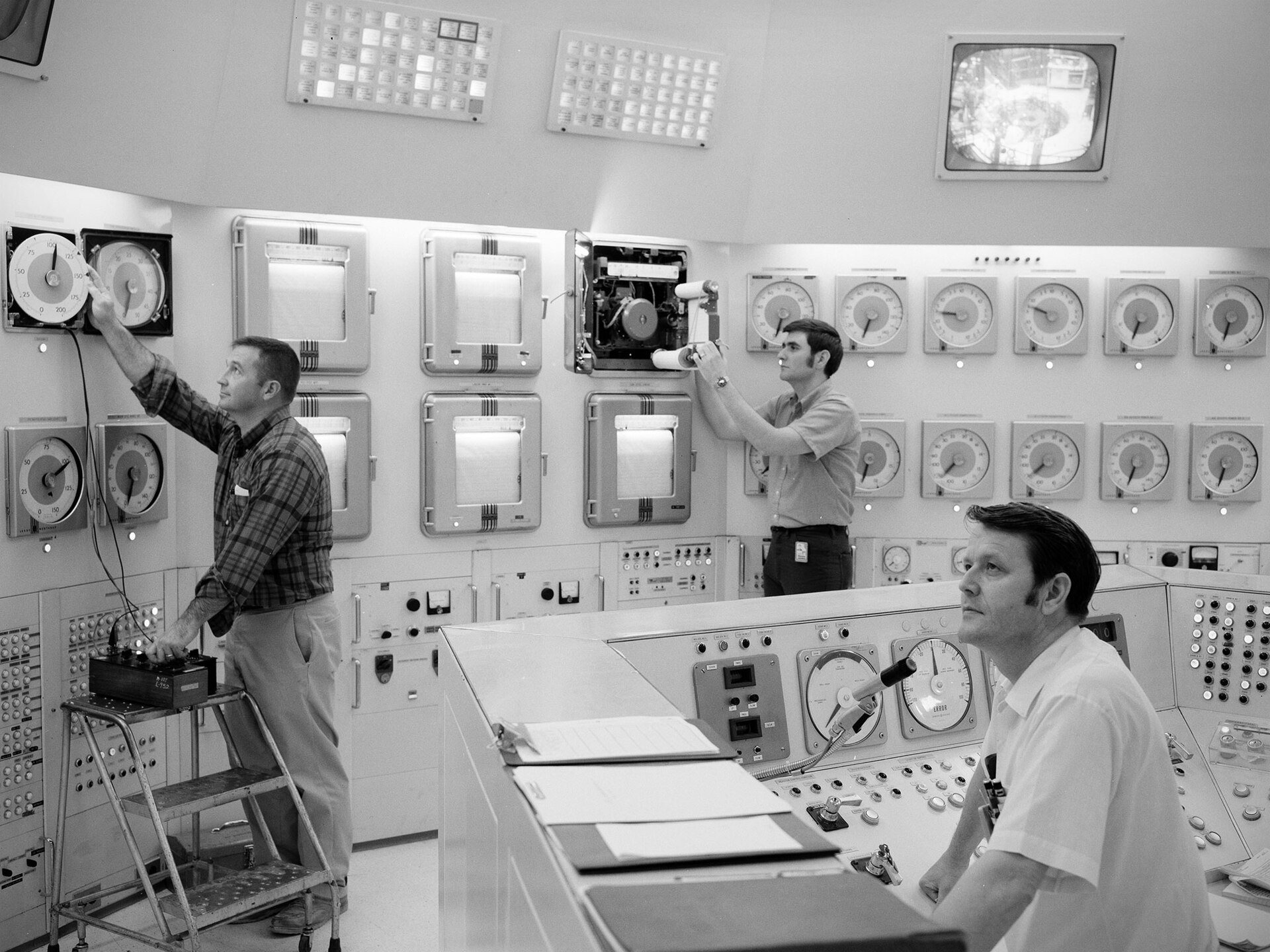
All pictures in this post are in the public domain: photographs from NASA and the U.S. Department of Energy.